SuperDebate The Anti-Debate

A special recorded conversation

Can we put a probability on everything?

Does it make sense to talk about the chances that God exists, that a moral claim is true, or that one Beatles album is objectively the best?

Economist · George Mason University

Statistician · University of Cambridge

Produced in partnership withStephanie Lepp · Synthesis MediaCo-producer and on-camera participant

Robin Hanson and Sir David Spiegelhalter bring decades of work on prediction, risk and evidence to a question at the edge of what we can know.

Recording October 9, 2026Full conversation released afterward

Where does probability stop helping?

Probability is extraordinarily powerful when the uncertainty is measurable.

But some of the questions humans care about most are not obviously repeatable experiments.

  • What is the probability that God exists?
  • Can a moral proposition be 70% likely to be true?
  • Does it make sense to assign a probability to which Beatles album is best?

Robin Hanson and David Spiegelhalter approach uncertainty from overlapping intellectual traditions, but they do not draw the boundary in exactly the same place.

On October 9, they will try to find out where that boundary actually is.

The question isn't whether probability is useful. It's how far probabilistic thinking can legitimately go.

Two ways of seeing uncertainty.

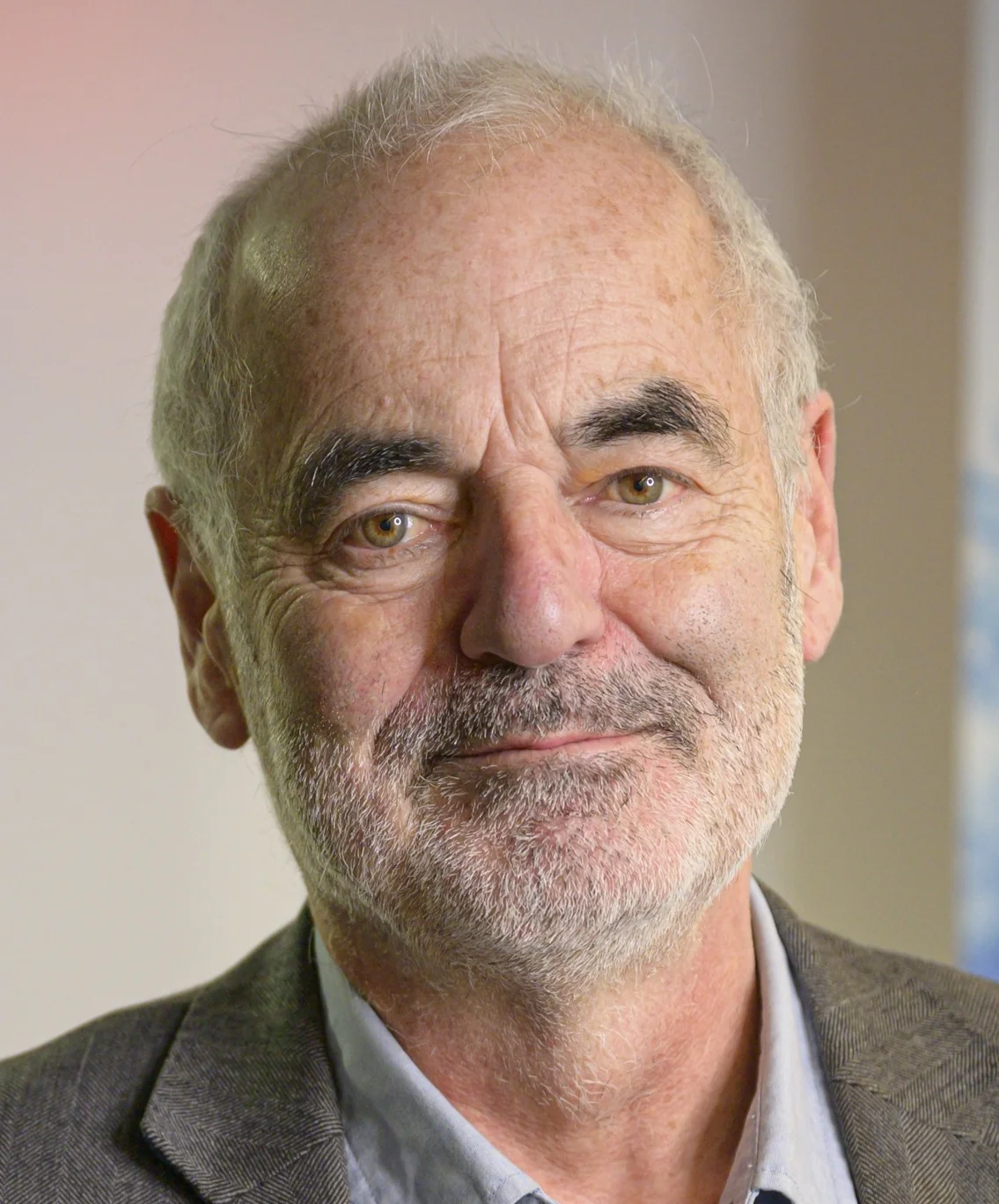
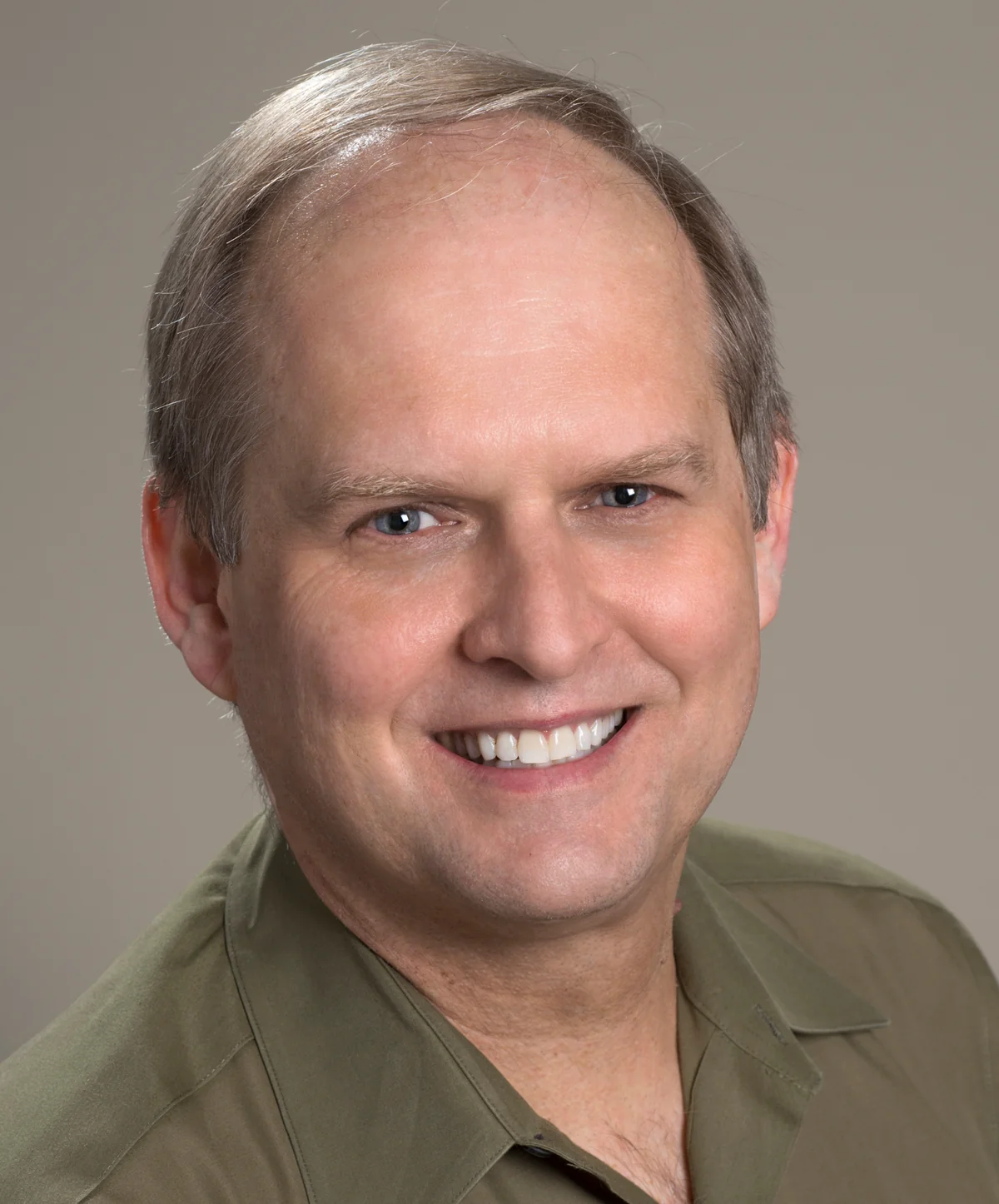
Robin Hanson

Robin Hanson

Economist · George Mason University

Robin Hanson is an economist, social scientist, and longtime advocate for using explicit probabilistic reasoning to improve how people make decisions. His work spans prediction markets, futarchy, social behavior, artificial intelligence, and the limits of conventional institutions.

He has spent decades exploring what happens when we force vague beliefs to become explicit predictions.

  • Prediction markets
  • Bayesian reasoning
  • Futarchy
  • Social science
Robin's SuperDebate profile
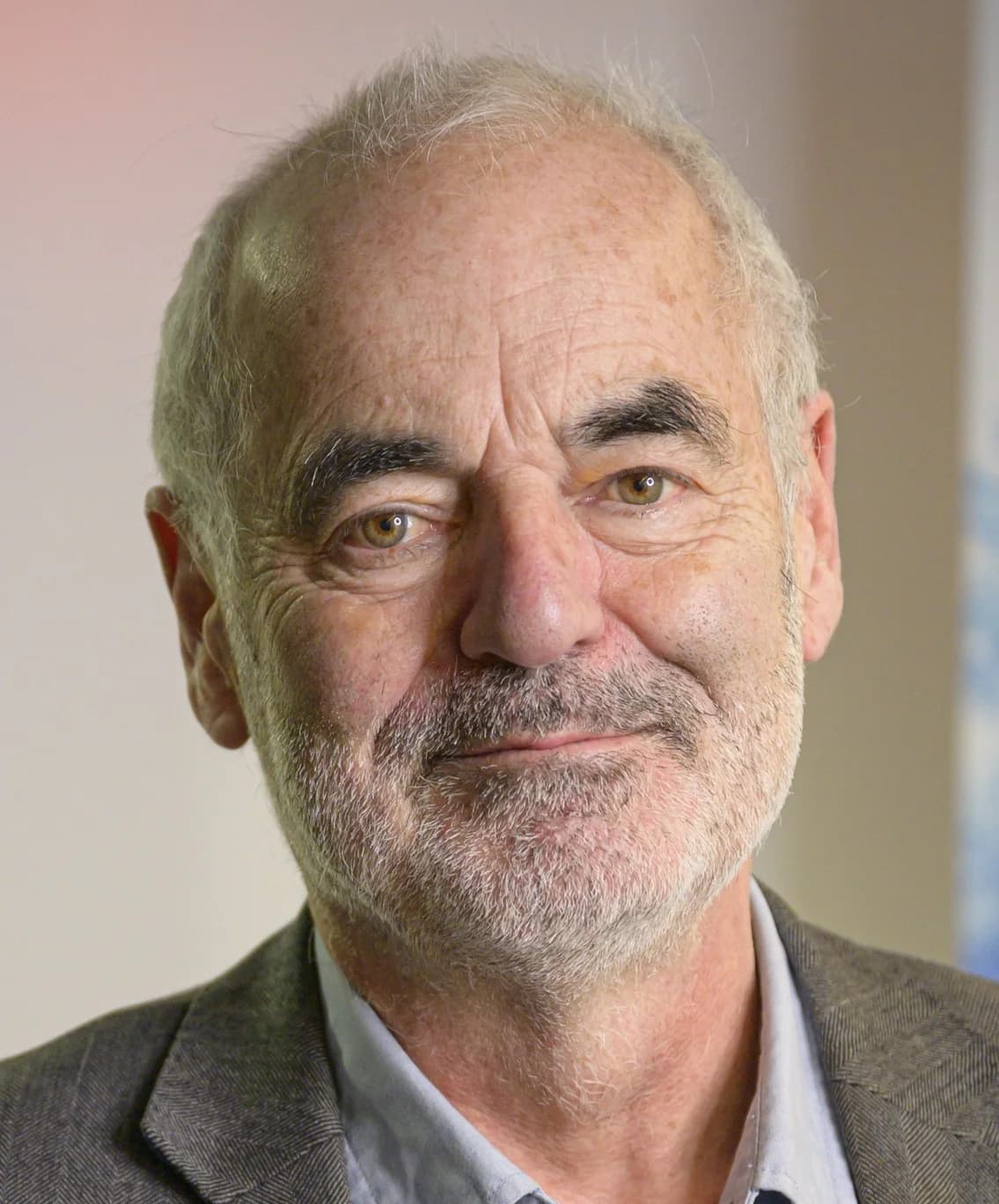
Professor Sir David Spiegelhalter

Professor Sir David Spiegelhalter

Statistician · University of Cambridge

David Spiegelhalter is one of the world's best-known communicators of statistics, risk, and uncertainty. His work examines not only how uncertainty can be quantified, but how numbers should be interpreted, communicated, and understood when evidence is incomplete.

He is the author of The Art of Statistics and The Art of Uncertainty.

  • Statistics
  • Risk
  • Uncertainty
  • Evidence
David's SuperDebate profile

They agree on a surprising amount.

Their challenge was finding the edge.

This pairing did not begin with two people looking for something to fight about.

Hanson is deeply sympathetic to Bayesian reasoning. Spiegelhalter has spent his career working with probability and uncertainty.

Their challenge was finding the edge.

In their conversations leading up to the event, the question became increasingly precise: there are situations where assigning a probability clearly improves reasoning. There are situations where doing so may create an illusion of precision.

Where is the line?

That is the disagreement. And it is exactly the kind of disagreement the Anti-Debate is designed to explore.

Not every disagreement needs a winner.

First, debate.
Then go further.

The Anti-Debate begins like a debate. Each participant states a position. Each gets a chance to challenge the other.

But instead of stopping when the clash becomes clear, the format asks both participants to continue.

ClashUnderstandingSynthesis
  1. 01

    Clarify

    What do you actually disagree about?

    Opening positions, rebuttals, and direct discussion.

  2. 02

    Steelman

    Can you state the other person's position so well they recognize it?

    Each participant makes the strongest version of the other's view.

  3. 03

    Update

    What could change your mind?

    Both identify the assumptions or evidence their own position depends on.

  4. 04

    Synthesize

    What can the two perspectives reveal together?

    The goal is not forced agreement. It is a more complete map of the question.

  5. 05

    Take stock

    What became clearer?

    Both participants close with what changed, expanded, or became more precise.

Explore the approach

The Anti-Debate makes room for rigorous disagreement, mutual understanding and a fuller picture of the question.

This conversation is co-produced by SuperDebate and Stephanie Lepp of Synthesis Media.

Behind the conversation.

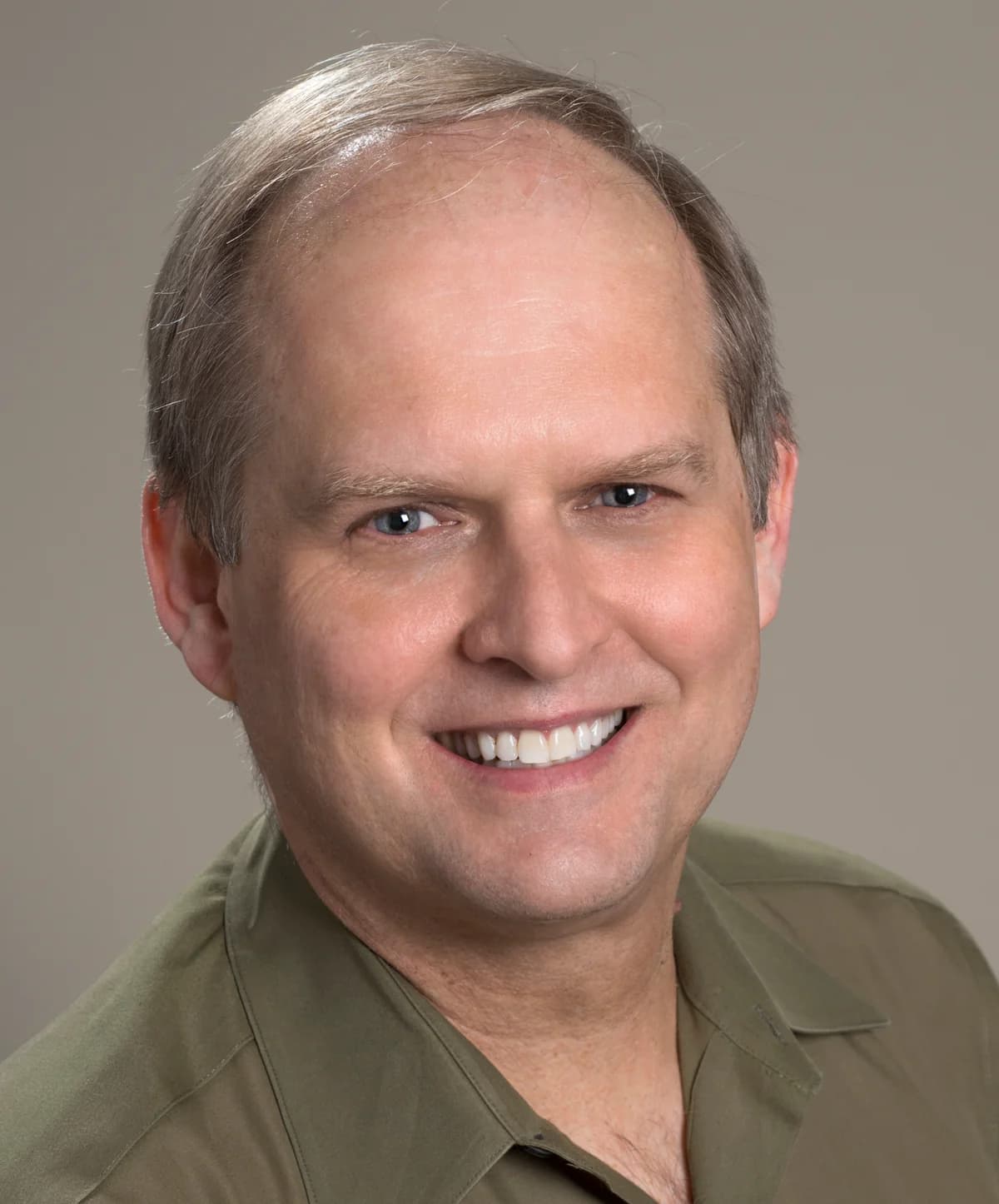
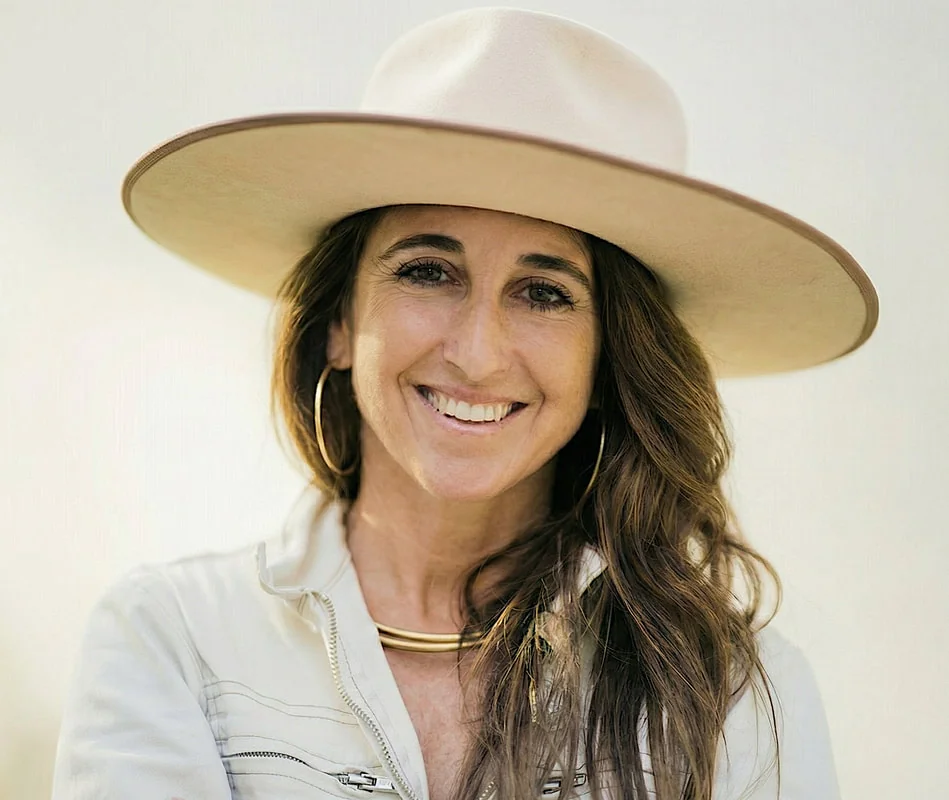
Stephanie Lepp

Co-producer · On camera

Stephanie Lepp

Producer & storyteller · Synthesis Media

Stephanie Lepp is a producer and storyteller who leads Synthesis Media. She is partnering with SuperDebate to co-produce this Anti-Debate and will join the conversation on camera.

Her work explores how different perspectives can inform one another. She previously served as Executive Producer at the Center for Humane Technology.

About Stephanie
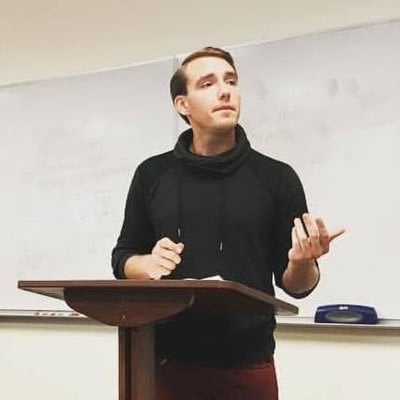
John Connor

Host

John Connor

Founder & CEO, SuperDebate

John Connor founded SuperDebate to create better places for serious disagreement: competitive enough to expose weak ideas, but open enough for people to actually learn from one another.

For this Anti-Debate, John will guide Hanson and Spiegelhalter from the initial clash through the collaborative portions of the conversation.

About John

A conversation worth taking time for.

Recording October 9, 2026

This is a recorded session, rather than a public livestream. The full conversation will be released afterward.

Get the full conversation.

We'll send you the full conversation when it is released.

One email for this recording. Future updates are optional. Privacy policy.

What they're bringing into the room.

Before the Anti-Debate, Robin and David are exchanging a small number of references that best represent how they think about the question.

Robin Hanson

References coming soon

We'll share Robin's selected reading here once received.

David Spiegelhalter

References coming soon

We'll share David's selected reading here once received.

Serious disagreement.
A more complete picture.

Watch debates