The SuperDebate · Full recording

Economics / Sport

Should taxpayers pay for sports stadiums?

Art Rolnick argues for zero public funding. Victor Matheson argues that limited contributions can be justified. Both economists reject the scale of many existing stadium subsidies.

Watch the full debate

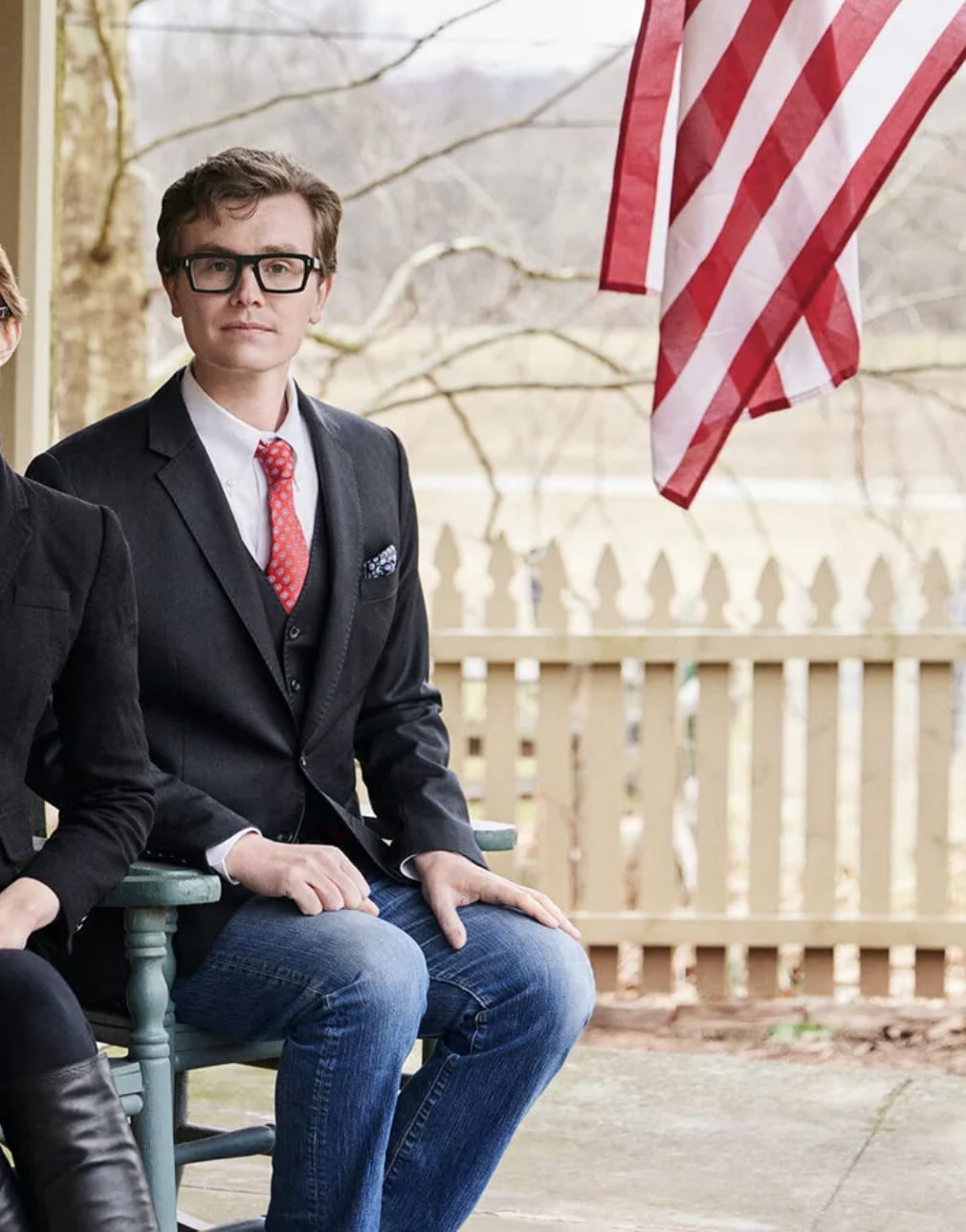
Art Rolnick, Victor Matheson and moderator John Connor: Who pays for the stadium?

After the formal debate: the Chicago Bears, relocation threats and competition between cities.

Watch on YouTube (opens in a new tab)

The resolution

“Public funding for professional sports stadiums should be zero.”

Who made the stronger argument?

Score the formal debate on argument, evidence, clarity and persuasion. The informal discussion after the closing statements is not scored.

Art Rolnick

PRO · Zero public funding

3.0

your avg

Argument · logic & reasoning

Evidence · facts & examples

Clarity · structure & flow

Persuasion · how convincing the speaker was

Victor Matheson

CON · Limited exceptions

3.0

your avg

Argument · logic & reasoning

Evidence · facts & examples

Clarity · structure & flow

Persuasion · how convincing the speaker was

Why they disagree

Art emphasizes the public investments cities give up when they subsidize stadiums. Victor considers infrastructure and benefits that a stadium owner cannot fully capture.

Art Rolnick’s argument

Why public funding should be zero

  • A national bidding war

    Moving a team’s location shifts economic activity between communities without necessarily creating a national gain.

  • Limited public dollars

    Stadium spending competes with education, healthcare, housing, and other public needs. Art emphasizes the returns to investing in children.

  • Who captures the benefit?

    The most direct gains can flow to private owners and players, while taxpayers carry costs.
Victor Matheson’s argument

When limited funding can make sense

  • Public infrastructure

    Roads, transit, and other access improvements can benefit the wider community even when a stadium is privately financed.

  • Benefits outside the stadium

    Additional visitors and nearby activity may generate revenue that the owner does not capture. Victor discusses targeted, beneficiary-linked financing.

  • Civic and social value

    A team can bring people enjoyment and shared experiences. Victor argues that these benefits may justify some spending, while rejecting the scale of many actual deals.

The speakers

Art Rolnick

Art Rolnick

Former senior vice president and director of research, Federal Reserve Bank of Minneapolis

Art Rolnick is an economist whose work connects public investment, economic development, and early childhood education. His research examines how public money can produce stronger returns for communities.

Meet Art Rolnick
Victor Matheson

Victor Matheson

Professor of Economics, College of the Holy Cross

Victor Matheson studies sports economics and the public financing of stadiums and major sporting events. A coauthor of The Economics of Sports, he has long scrutinized claims that sports projects drive economic growth.

Meet Victor Matheson

Debate format

Speaking order and time limits
StageSpeaking orderTime allowed
Opening roundsArt presents his case; Victor questions him. Victor then presents his case; Art questions him.5 min per turn
RebuttalsArt responds, then Victor.3 min each
Closing statementsArt closes, then Victor.3 min each

Speeches may finish early. An informal discussion follows the closing statements and is not part of the scored debate.

Watch the full recording

Voting questions

Do I need an account?

The full recording is free to watch without signing in. Use a free SuperDebate account to submit scores. If you choose scores before signing in, they are saved on this device for your return.

Can I change my ballot?

Yes, while voting is open. Updating replaces your previous scores, so one account still counts as one ballot. If saving fails, your selected scores remain available to retry.

When do I see the audience verdict?

After your ballot is accepted, the community assessment appears below the scorecard. It reflects how viewers judged the speakers’ arguments, not a separate poll about stadium subsidies.

Browse all recordings

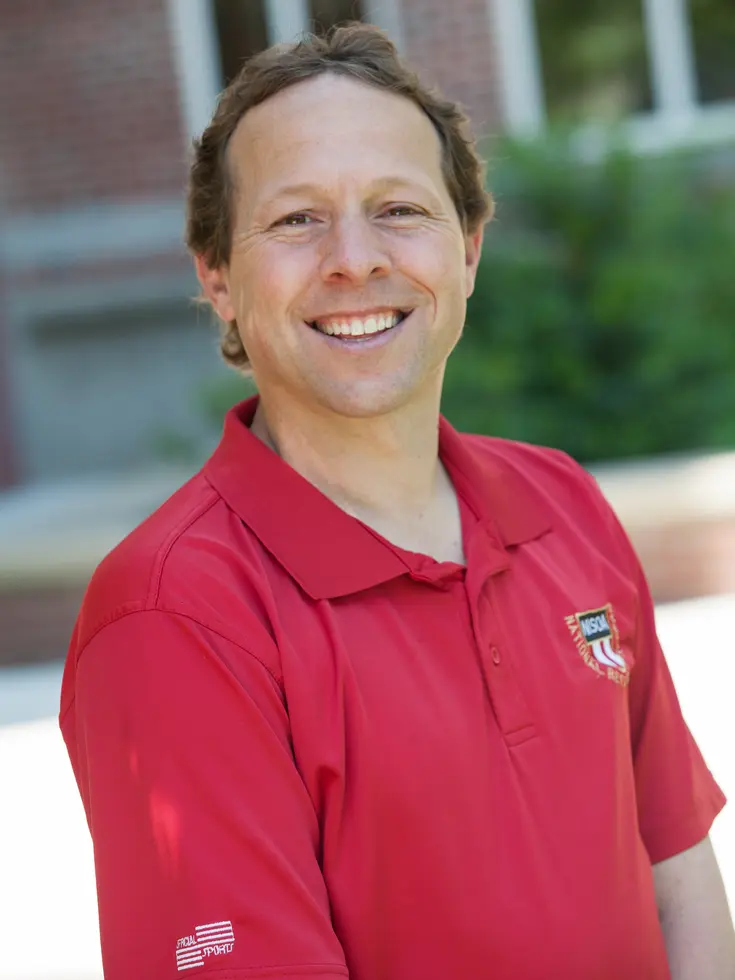
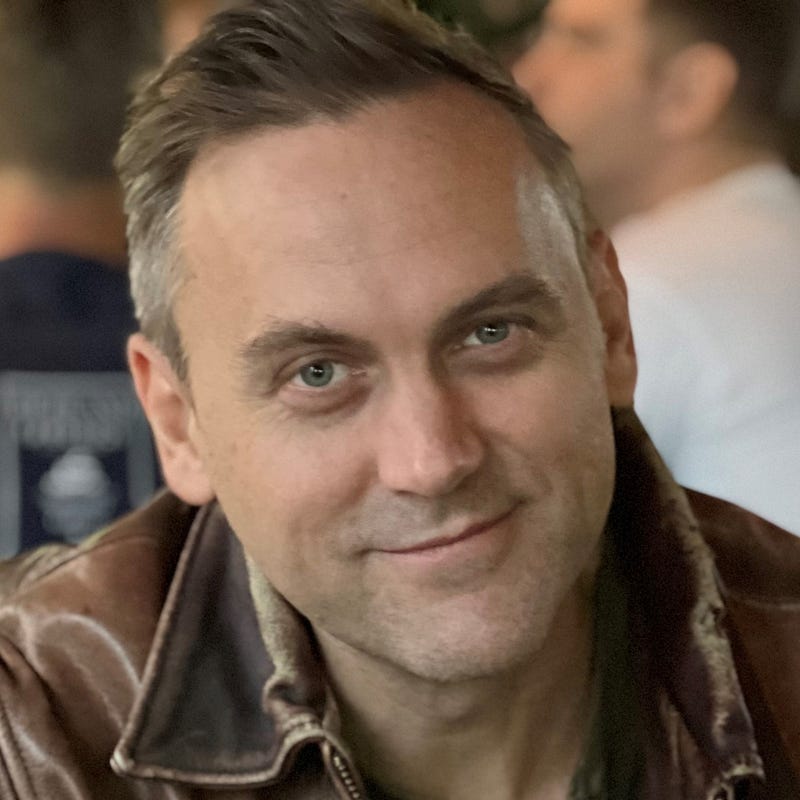
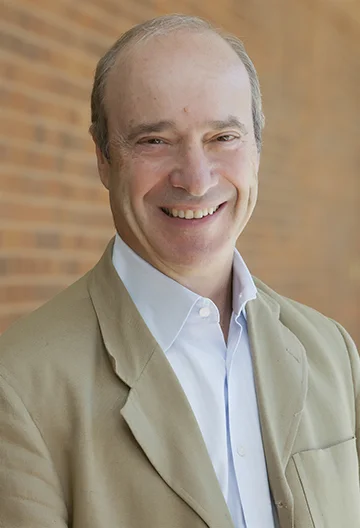
Video cover: SuperDebate. Speaker portraits: University of Minnesota (Art Rolnick) and College of the Holy Cross (Victor Matheson).