The SuperDebate · Full recording

Economics / Sport

Should taxpayers pay for sports stadiums?

Art Rolnick argues for zero public funding. Victor Matheson argues that limited contributions can be justified. Both economists reject the scale of many existing stadium subsidies.

Watch the full debate

After the formal debate: the Chicago Bears, relocation threats and competition between cities.

Watch on YouTube (opens in a new tab)
  1. 1:28Art’s case: bidding wars and limited public dollars
  2. 12:13Victor’s case: when limited funding can be justified
  3. 22:27Rebuttals: public priorities and civic value
  4. 27:07Closing arguments: zero or limited exceptions
  5. Unscored discussion
  6. 31:08Discussion: relocation threats and team owners
  7. 34:53The Chicago Bears and neighboring governments
  8. 37:41Corporate bidding wars and interstate agreements
  9. 43:02Why politicians and voters see deals differently

The resolution

“Public funding for professional sports stadiums should be zero.”

Who made the stronger argument?

Score the formal debate on argument, evidence, clarity and persuasion. The informal discussion after the closing statements is not scored.

Art Rolnick

PRO · Zero public funding

—

Not yet scored

Argument · logic & reasoning

Evidence · facts & examples

Clarity · structure & flow

Persuasion · how convincing the speaker was

Victor Matheson

CON · Limited exceptions

—

Not yet scored

Argument · logic & reasoning

Evidence · facts & examples

Clarity · structure & flow

Persuasion · how convincing the speaker was

0 of 8 ratings selected. Choose a score for every criterion and each speaker.

Why they disagree

Art emphasizes the public investments cities give up when they subsidize stadiums. Victor considers infrastructure and benefits that a stadium owner cannot fully capture.

Art Rolnick’s argument

Why public funding should be zero

  • A national bidding war

    Moving a team’s location shifts economic activity between communities without necessarily creating a national gain.

  • Limited public dollars

    Stadium spending competes with education, healthcare, housing, and other public needs. Art emphasizes the returns to investing in children.

  • Who captures the benefit?

    The most direct gains can flow to private owners and players, while taxpayers carry costs.

Victor Matheson’s argument

When limited funding can make sense

  • Public infrastructure

    Roads, transit, and other access improvements can benefit the wider community even when a stadium is privately financed.

  • Benefits outside the stadium

    Additional visitors and nearby activity may generate revenue that the owner does not capture. Victor discusses targeted, beneficiary-linked financing.

  • Civic and social value

    A team can bring people enjoyment and shared experiences. Victor argues that these benefits may justify some spending, while rejecting the scale of many actual deals.

The speakers

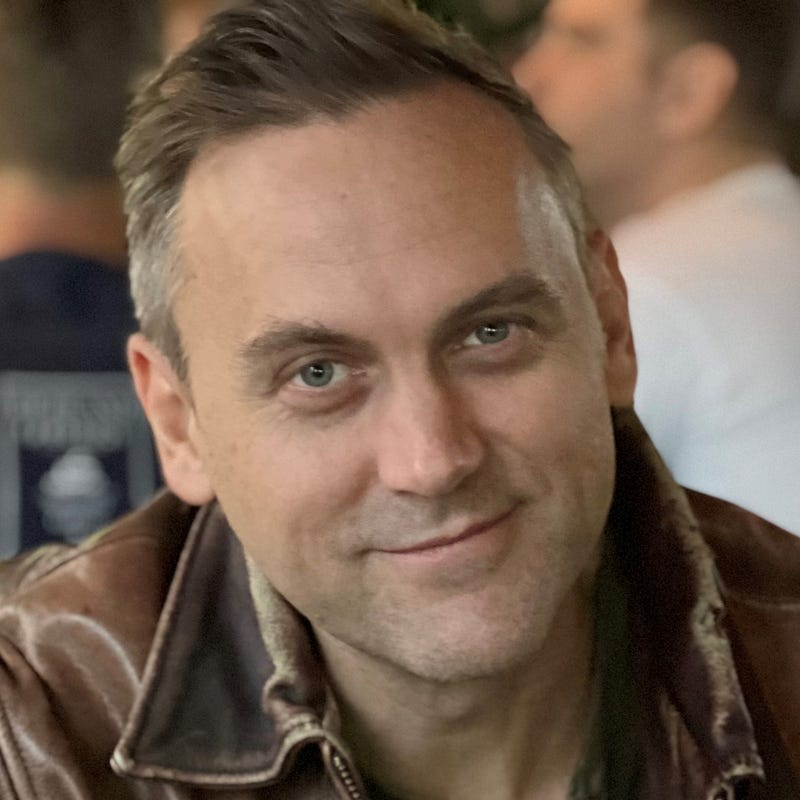
Art Rolnick

Art Rolnick

Former senior vice president and director of research, Federal Reserve Bank of Minneapolis

Art Rolnick is an economist whose work connects public investment, economic development, and early childhood education. His research examines how public money can produce stronger returns for communities.

Meet Art Rolnick
Victor Matheson

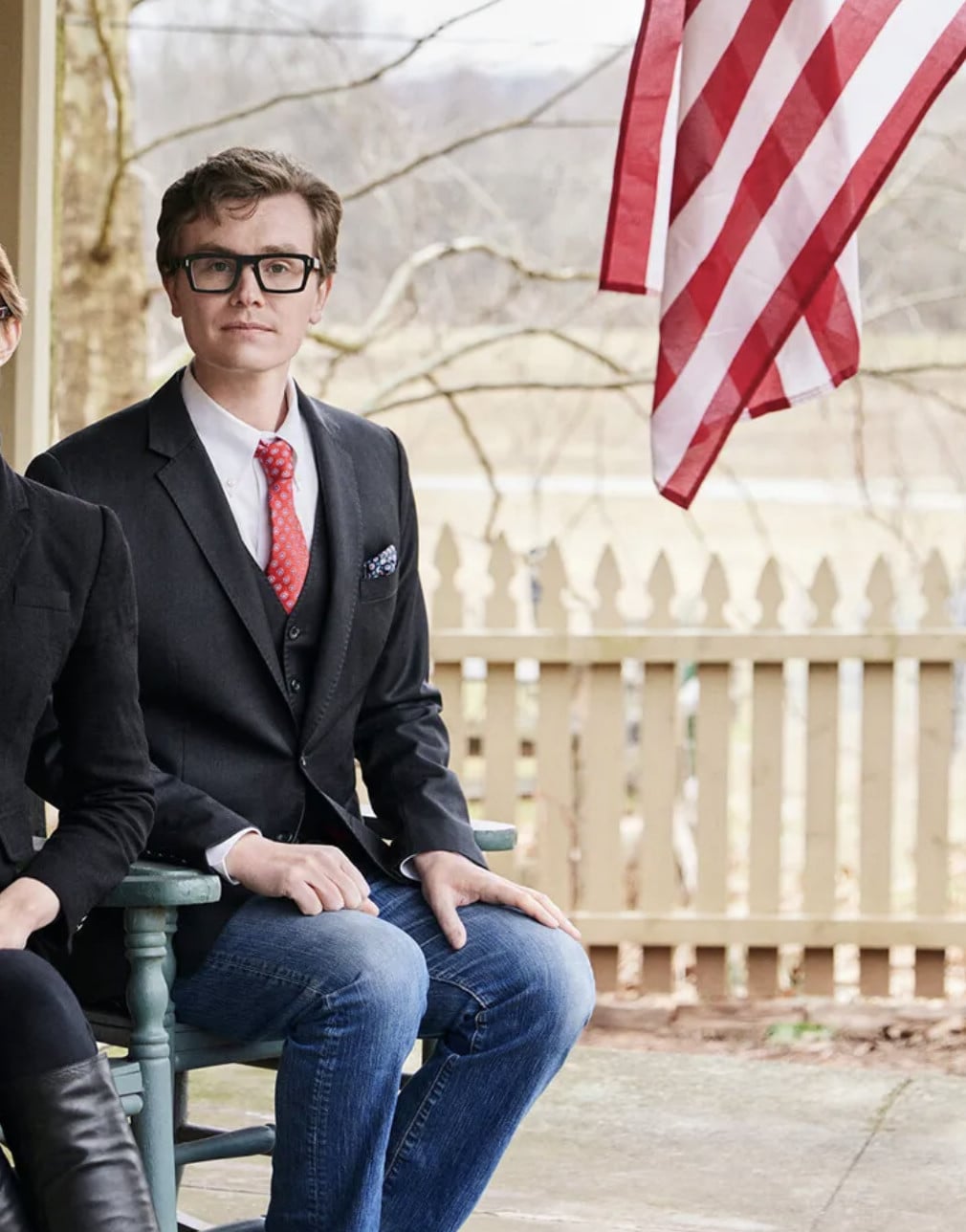
Victor Matheson

Professor of Economics, College of the Holy Cross

Victor Matheson studies sports economics and the public financing of stadiums and major sporting events. A coauthor of The Economics of Sports, he has long scrutinized claims that sports projects drive economic growth.

Meet Victor Matheson

Read the exchange

Read the debate and discussion from 1:23, after the introduction. This automatic transcript has been checked for speaker names and sequence. Use the recording to verify quotations.

1:28Art’s case: bidding wars and limited public dollars

issue is public funding of professional sports stadiums. notice I would I I say professional, they're also privately owned. And the question is question I'm gonna I'm gonna look at this from two put two perspectives. From a national perspective, and I'm gonna argue it's a zero rate of return for a public investment. And indeed it violates

Our Constitution, the Commerce Clause, which says cities and states aren't supposed to be interfering with interstate commerce. From a local perspective, however, there is a return. I'm just going to say the rate of return, the ROI, the rate of return, isn't much higher than zero. And it's much lower than alternative investments, public investments that should be made in local communities. Okay.

So one question you might ask is why is public funding an issue? these aren't public businesses, they're b they're private businesses. well it's gonna boil down to as as I'll make clear, a form of economic blackmail. We this wouldn't even be an issue if these sports stadiums and their owners weren't threatening to leave a local community. And these are very popular sports.

And politically, it's very difficult for a mayor or for governor to say no to these guys because odds are you wouldn't win your your next election. So but that's why it's it's an issue, and it's been an issue for many years. It's i an issue in virtually every location that has a one of these one of these stadiums. so from a national perspective, why am I arguing it's a zero-sum game? That is, it's a zero return.

It's because these stadiums and these businesses are going to be located somewhere in one of our cities, in one of our states. So it's just a question of location. From a national perspective, I don't care how much money you give them or don't give them, you're still gonna have national sports stadiums. So from a national perspective, we're talking billions of dollars, public dollars going to private businesses. And from a national perspective, there's no difference in the outcome.

Well, maybe you'd get a a better stadium or or or the quarterback would make more money or the the the the business guys who own these stadiums and the value of these stadiums could go up, but from a public point of view, zero return. I also point out that this in a way violates the Commerce Clause. The Commerce Clause in the Constitution says cities and states aren't supposed to be interfering with interstate commerce. This is a form of interference.

number of years ago we had a fifth dist I think with the fifth district court ruled that we were correct that it does violate the commerce clause so it it's unconstitutional and it is it is a very low literally a zero return from a national perspective what about from a local perspective? Now it gets tougher. these are popular, very popular sports. I'm I'm I'm watching on weekends I'm watching so many NFL games

and it's it's an I'm I'm a Lions fan, I'm a Vikings fan. So I understand from a local perspective as a fan that I don't want that team to leave. and if my politician doesn't give into this, it's gonna be a problem for that politician. But from an economic point of view, how do we measure the value from an economic point of view, from a local perspective?

now I would argue if you look at studies that talk about the number of jobs that are created by these, I I think they're they're minimum at best. this is money that people would spend on entertainment. And if they don't spend it saying on going to a biking game, they'll spend it on a college game or somewhere else or some other form of entertainment. So I'm not sure it affects spending much. It might bring in some s some fans from other states and there's some more spending there, but generally

when studies of this looked at the job creation, there isn't much there. So the difficulty from the local perspective is that it's a political issue. If you're a mayor or you're a governor, as I said before, it's very difficult not to give in to this economic threat and you can't afford politically to lose a team. And so generally speaking, the this this form of blackmail wins out.

And it doesn't end with one, by the way, with one big billion dollar benefit. they'll come back five years ago and talk about renovating and they want public funding for that. So it's an ongoing game. It's an ongoing game that I would argue pa pac taxpayers generally are losing.

Cool, thank you. With ten seconds left, that was fantastic. excellent opening Art. And now we are moving to the cross examination. Victor, are you ready to cross examination that first speech?

so okay, so first of all, let me say I'm just delighted to be here with Art Rolnick, who's had a tremendous career.

as director of research at the Minneapolis Fed. and let me say I also generally agree that the level of public subsidy has been too high for sports stadiums here. But the question here isn't whether it should whether it's been too high, but whether there are any places where we might expect

government to step in to have some level of subsidies for these stadiums. So I guess my first question would be do we see any significant public subsidy, public subsidies that might be justified from the term of positive externalities? Do we think that stadiums generate some positive externalities for society as a whole that don't get captured by the teams themselves and therefore might justify some level of public subsidy?

the right question, I think, Victor. And and the audience should know that both Victor and I are graduates of the University of Minnesota, and we're very proud of that. So maybe that's why you won't get too much disagreement, although you'll get some. So externalities is the right question. Are there enough externalities here to justify some level of public funding? And as you point out, the amount of subsidies that have gone over the years to these stadiums and the billions of dollars.

The externalities aren't going to that high, obviously. They're going to be much lower. So what are those externalities? you know, you get you you you get visitors from outstate outstate. So so for example, Green Bay, when we when Green Bay comes to town, you can get a lot of Wisconsin people coming to the Twin Cities and spending money, and that helps create jobs, etc. And I would agree that that that may have some some

value in terms of the externality, some benefits to the city that wouldn't have occurred otherwise. Although I said it earlier, the money that people spend on the Vikings say, that's entertainment dollars. That's a part of their entertainment budget. It's not clear that would have been wouldn't have been spent otherwise. And as far as outsiders coming, some of the outsiders are are coming from Wisconsin. Some are coming from northern Minnesota. Now I don't think that's a good I I don't like that as a an externality that Minneapolis

benefits at the expense of greater Minnesota. but the externalities again are still going to be relatively small to the subsidies. So if there was a case to be made, if Victor and I were trying to make a case, I agree there's something there on on outsiders outside the state. But again from a national perspective you have the same problem. All right. So they're spending their money Wisconsin people are spending their money in Minnesota and so Wisconsin's losing while Minnesota's benefiting. But from a local perspective

That's why you can get into these these bidding wars to some extent. And again, that's why we have a commerce clause, why we don't want states to be bidding against each other this way from a national perspective. It's just not good economics.

So what about the role of government in general, providing infrastructure for businesses so consumers and and businesses can match up? So it'll be reasonable to say, well, look, we can have the we can have the team owners build the stadium, but you might have the the local government kick in a significant amount of money for local infrastructure. So for example, I'm I'm out here in in Boston.

The Patriots play in Gillette Stadium. Gillette Stadium was a pr was one of the few privately financed facilities, but even for Gillette Stadium that was built with private money, the state still kicked in what in today's dollars was almost $50 million of infrastructure improvements so people can get to that business. Now you can make the argument that that

That money wouldn't have been necessary if we didn't have this giant stadium there on Route One here in Boston. but typically, don't we think government should have a role in providing things like transportation infrastructure that allows consumers and businesses to be able to meet up and and and do their business?

hate to say this, but I agree with you on that. y you know, government has a role to provide infrastructure, safe highways, various types of transportation, safe transportation. I'm sorry.

and so yes, I think that that could be the case, but but again, it's a relatively small amount compared to the billions that they get. And some of that that infrastructure i i is I would argue should be paid, like like parking lots and stuff like that should be paid by the owners. But highways and stuff, transportation, yeah, I think a case can be made.

But I and I guess my last point would don't we think sports make us happy? And isn't there some value to that?

Well, if they're winning they make us happy, but I can tell you when they're losing I'm not so happy.

Cool guys. I think that's a good place to close the first cross examination. And I think we got some questions really flowing now. We've got two sides shaping up. And so Victor, are you ready with your first constructive speech now that you've gotten that clarification?

12:13Victor’s case: when limited funding can be justified

So over the past 30 years, the United States has spent over $80 billion on professional sports facilities across the big five sports in the United States. And it's very difficult to find any economist who thinks that the public should have paid a lion's share of that.

But in fact, about half of that money came directly out of taxpayers' pockets. And most economists suggest that that number is clearly out of line and can't be justified with normal economic policies. That being said, the debate here is not about whether the total amount of funding that we have engaged in over the past 30 years is the right amount. The question is, is there a right amount that we could justify overall levels of public spending?

And I think there's a handful of reasons from standard public finance principles that would allow us to justify some level of public spending on stadiums. Now it's super important. I don't think either Art or I want the a typical listener to walk away from this debate and say, we should be paying all of the bills for stadiums because neither Art or I believe that. but the question is, is there some level of public funding that we could justify?

that we could we could feel happy about coming out of a typical taxpayer's po pocket. So number one is this is it's what's known as a positive externality. A positive externality occurs when so when a business engages in some sort of action that makes people better off, but they don't get to capitalize on all of the that those benefits. One example is as as we might imagine, is there is a tourism that does occur occur.

W with respect to stadiums and professional sports teams. So, for example, the typical Major League Baseball team is associated with about 500 additional hotel room nights per per home game. add that up over a course of a season, that's about 40,000 hotel room nights. mind you, that's not enough to justify hundreds of millions of dollars in stadium subsidy, but just the taxes and revenue associated with that is enough to generate.

tens of millions of subsidy that you could feel okay about. Another reason we might want to subsidize stadiums is stadiums can be used as an anchor to redevelop otherwise downtrodden areas in the economy. this is known as a you know a standard urban economics argument.

sometimes also known as urban agglomeration, where if you build a stadium, you can build entire entertainment districts. And the agglomeration argument says that rather than spread out your restaurants and your entertainment across an entire metropolitan area, by concentrating it in some ways making a lot of entertainment in one area, you have the the combination of this.

Put together is greater than the benefits that you get if you spread this all out. And stadiums are good at focusing economic activity. A third reason we might want at least some level is is what's is simply infrastructure, right? we know that government.

makes general infrastructure, roads, mass transit, police fire protection, these sort of things is one of the very roles why we have government in the first place. And there's no reason to believe that we shouldn't want government to subsidize sports stadiums any differently than they subsidize restaurants or schools or other businesses. So some amount of of of infrastructure spending would be

the last thing that we might want to think about is that even if stadiums don't make sense from a dollar and cents standpoint, from a job standpoint, from a tax revenue standpoint, in fact, they might make you happy. it is true that the economic literature suggests that stadiums don't necessarily make us rich, but we do have some evidence that sports makes us happy.

Cool. All right. Thank you very much. And Art, are you now ready for five minutes of cross-examination?

So, Victor, of course, you know the phrase, no free lunch. And you know, the public politicians, state cities, whatever counties, they have limited dollars. And the question is, where is it best to invest? So I'm gonna argue the re there's so much better public returns than financing private companies like stadiums, for example, and one that I've

been researching for now for for 20 years, investing in high-quality early childhood education for our most at-risk children. Because if children start school way behind, they don't catch up. And if you don't catch up and you don't graduate high school in our economy, you can imagine this the problems, not for the child, but for the public. So we actually estimated a return based on some longitudinal studies. Some James Heckman, Nobel laureate, was involved in these studies.

And we calculated the return on that investment was eighteen percent inflation adjusted. So my question to you is, yeah, you might be able to make a case that there's some externalities there, but shouldn't we worry about where is the best rate of return and do that first with limited dollars?

yeah, so I think that's a a reasonable point. that being f said, we could we can make that point for all sorts of things, right? We can say to people, how can you possibly be spending money going to the twins game when there are children starving in Yemen, right? And we can always make those sort of arguments. but I think the the economic counter here is if we have a stadium investment that you can make today and you can finance with bonds.

that you could fully finance with the additional, for example, hotel revenue that's generated by a twin stadium. I don't think this is an either-or. This is you can have your cake and eat it too. You can provide funding through all types of public finance mechanisms to pay for early childhood education, which of course I would fully support.

But if we can find a revenue source, for example, additional increases in hotel revenues that will pay right from the start a a steady stream of revenue that can pay for a portion of stadium construction through bond finance, you can do that while at the same time doing these other things that have almost certainly a higher level of return.

Well, you say at the same time, I'll give you a little history in Minnesota. This goes back, we had 10 years we spent over a billion dollars in stadiums, and not a dime went to early childhood education because they don't have lobbying. They don't and nobody lobbies for these kids, and unless educators who aren't the great best lobbyists speak up, they don't get they don't get they don't get the funding. That that's the reality. Second question, you mentioned hotels, and you're right, there's some benefits to hotels, clearly.

So why don't we just tax hotels? They're the ones that are benefiting the most. Shouldn't we levy a special tax, a stadium tax, on hotels? That that that are one that is those that are businesses that are benefiting directly from the stadium. What about focusing the tax on their businesses and they're the ones that are going to reap these benefits from you know Green Bay Packers fans coming to Minnesota?

All right. So I think that's a that's an excellent idea. having targeted user pays type taxes are are exactly what we should be financing these things through. We certainly shouldn't be ty fan financing stadium construction through general interest taxes. We shouldn't be financing it through pull-tabs or gambling taxes like is done in Minnesota. that doesn't seem to be a good use of funding there. But either financing these through

you know taxes on hotels through you know tax increment financing districts related to the area right around stadiums that may be benefited from you know 81 games of of of baseball a day. those are the sort of things that might make reasonable taxes to pay for stadium construction. And again, not all of stadium construction, only a piece of it.

c I think we clearly agree on that one. here's where question about urban renewal. again, I don't have that full research on this, but I observed what happened in Minnesota when we built the the old twin stadium. And if you looked at the renewal around there, it didn't exist. They had a bunch of parking lots, they had one bar, and the development of of downtown occurred away from because people didn't want to live, didn't want that noise.

And so I don't think stadiums are a good way to to build strong businesses downtown. I don't think simply concentrating a few restaurants, a bar or whatever works very well. I think when you see examples of stadiums that appear to work, it's because they locate them in an area that's already Cleveland's an example where where they located in an area where there are already some some businesses. But I think I don't I don't think they really do help urban rural. They don't create many jobs.

That's not the way I would go after urban renewal. So I I I I question whether you've got enough evidence to say it's a significant urban renewal benefit.

And that's time, guys. All right. So that wraps up cross examination and we are now moving on to the rebuttals. and Arthur, that starts off with you. a three minute rebuttal to Victor's last speech. are you ready? Do you need a minute to prepare?

22:27Rebuttals: public priorities and civic value

Okay, Victor, actually I think there's quite a bit we agree on here, especially from a local perspective and from a a mayor or governor's perspective, I would buy the some of the arguments that you are making. but in the big picture, economies grow because of investments in human capital. They don't grow because of investments in sports. They grow when they build good infrastructure, good roads and bridges.

Education is critical. it's been critical for Minnesota becoming one of the best economies in the in the country, in fact, I'd argue in the world, because over the last fifty years or so, we've poured money into education. We are the most qualified workers. So I I'm always worried about, you know, there's no free lunch, you're gonna spend it one way, you're not gonna spend it another. And I want to convince the political system that focus on public goods, goods that the market isn't gonna produce, markets gonna produce lots of entertainment.

Lots of sports. The market on its own does not produce enough education for a democracy in a in a growing economy. That's a that's a market failure. And that's where you clearly need public to invest. And that's where even even though I I would again I'm sympathetic to a mayor and a governor, there's a lot of people, as you point out, that are happy having these these these sports stadiums and to root for. my view you can root for whether the stadium is there or not.

people can be happy just watching TV and watching them win or lose, of course. but so that that's that's that's my biggest concern. We have limited public dollars. Let's make sure we invest them in the best public rate of return. And broadly speaking, research, research, investment, and education are are the best investments we can make, and we shouldn't shortchange them in any more in any way, shape, or

All right, that's great. Thank you so much, Art. Fantastic rebuttal. And Victor, that brings us to your three minute rebuttal. Are you ready

Okay, here we go. There is something a little different about sports teams than other types of businesses, in that sports teams are the things that bring people together in unique ways. We obviously there's as much money spent in a typical year at Sherwin Williams paint stores as is spent in the NFL.

But no one gets together on Monday morning and says, hey, did you see that great new color of blue down at the paint store? But we might talk that next year. Hey, did you see how the Vikings turned to the old ways, got it done on the ground, and beat the Bears here in that first season? And in that first game of the season. And that is an important piece. And mind you, the entertainment, the value, the social interactions that occur around.

Sports are not something that the Vikings or the Bears owners can capture in terms of dollars and cents themselves, yet they are generating interest, they are generating value for the people around them. And this is the amenity value of sports. So I think most economists would agree that that from an an employment standpoint, from a taxes standpoint, from a personal income standpoint.

sports aren't a particularly good investment for society as a whole. Sports are not likely to make us rich, but they may make us happy. And that is something that's worth paying for. After all, we pay for parks, we pay for other amenities that make our cities more livable. I think we can probably throw in a bit of money to make our our cities more livable in terms of professional sports.

Cool. fantastic. All right. Now that brings us to the closing speeches. We have two more three minute speeches. And in these speeches, we're really looking for the debaters to crystallize their arguments, to really frame up what we're evaluating here and to let the audience know why their position is the best position that you should be evaluating when it comes down to the facts and the philosophy on the ground. So

27:07Closing arguments: zero or limited exceptions

Yes, so you we're spending public money, billions of dollars across this country on building stadiums and sports arenas that wouldn't be built on their own. they'd be being built somewhere. These these are very profitable businesses. These owners of these companies make an enormous amount of money. These are some of the super rich people. If you were to follow the money from these subsidies, who's benefiting directly? It is some very wealthy people.

In the meantime, we have limited public dollars. We have enormous needs for low income housing, for health care, for education, and every dollar we spend in public money for stadiums is virtually a zero return from a national perspective. But I will admit, from a local perspective, this is a tough issue. There are clearly people that are very happy having a stadium in in their town and their

and and the owners and I agree there's some externalities there. so from a local perspective it's much tougher. Nevertheless, I still would say you've got to weigh those benefits against the benefits of healthcare, education, clean air. There's a lot of public goods that go way underfunded and I'm reluctant to spend I personally am reluctant reluctant to spend a dollar for any public stadium for some wealthy business owner.

Excellent closing. Thank you very much. Very clear position. And that leads us to three minutes for your final closing, Victor. Are you ready?

So I'm in an unusual position here. I've spent the last 30 years of my career actually being a fairly fierce critic of stadium subsidies. that being said, there are times when government comes out and spends some money in the construction of of stadium projects that I can get behind. So, for example, here in my own hometown of Boston, 30 years ago, Robert Kraft built Gillette Stadium.

that was about a $350 million stadium that he paid for himself, but the city themselves and the state put in a bunch of money for infrastructure. and by a bunch of money, you're talking about $50 million. So is there an amount that even I, a critic, can say, yeah, that is something that makes sense. I can get behind that level of spending. it's certainly possible that that's true. I think a good rule of thumb.

Might be Art's position that let's not spend anything on billionaire owners and millionaire players when there's so many other things that government should and could be doing with funding. that being said, even a critic like me can find places where, yeah, putting some money into professional sports because of their social benefits, because of their positive externalities, because of the way they may transform.

important downtown areas to be c make them more livable is something that even a critic like me can get behind. and let me say that I'm delighted to have had this opportunity to talk about the issues and debate this with the esteemed professor Rolnick and and and I think I could have taken his side as well with without batting an eye but again even a critic like I myself

Can I can imagine circumstances where 10 million here, 20 million here, 10% of the cost of the project, 20% might be a reasonable amount for the government and taxpayers to to take on themselves. but let's be very clear what Art and I agree with. It's certainly the appropriate level is less than what we've typically experienced in the United States over the last 30 years.

31:08Discussion: relocation threats and team owners

Cool. Awesome. Victor, thank you so much for that closing. And you know, I really enjoyed the fact that you kind of pulled it all around and you framed up how you guys relate in your position. So, you know, there's a lot in there. You went certainly beyond just the debate and kind of a great transition into this this next part of of our gathering here today. We got the debate done, we got the final speeches over with, and now we open up the conversation, you know, just like you know, during the prep when we were talking about this, you guys really

Dug into it and seem to be in in enjoying you know, discussing a lot of the theory around this. And so, you know, I guess to start off, I'm curious, how'd you guys feel about the debate?

Well let me just say, I don't think you could have found anybody better than Victor to take the position that he did and explain the other side. I hope you're paying him well.

Yeah, I will say that I really if if if I was really thinking about this for myself, I really should have become a a pro stadium guy rather than a a an anti stadium guy, 'cause I would have ended up with a lot better tickets over the course of my career. and and you know, there's th it would have been better to be on the side of the the billionaire owners and the millionaire players, rather than against them most of the time.

you know, own owned the twins. And and Carl, this is years ago when he was he was looking for public funding at stadiums and he asked if he could come by the bank and have lunch and talk to me because he knew my view and he says, Sorry, if you were me, how would you get the state to give you a subsidy? He said, Carl, y I I'll tell you what to do, but don't tell anybody I told you this. You have to threaten to leave.

If you don't threaten to leave, why would we build you a stadium? He says, But our I got my family here. We're not we're not gonna leave. So what he did is he got Bud Selig, the the the head of the the league, to meet the governor. And what Bud Selig said, if the state doesn't build twins a stadium, we're gonna close down the franchise here. And that worked. That was very clever. so these guys they know how to play the game and they play it really well. No pun intended, but anyways.

course and of course that also worked. I mean, we don't wanna obviously, you know, this is not just a Minnesota show, right? But it worked very well with the Vikings as well, right? Because the

Vikings threatened to move to LA. and this is, you know, this is one of the most interesting things of over my career, is is you know, early in my time as a professor, we actually had both franchises in the NFL move out of LA, right?

And and just after that, they awarded a new franchise and they could have awarded one to LA as well as Houston, and they

decided not to. And so it that's crazy, right? Why would you not sell something which at the time was selling for 250 million or 500 million dollars? So, you know, why would you sell something that costs you nothing that you could get $500 million for right now by you know putting a franchise in LA as well?

turns out they made way more money not having a team in LA than having than they would have made with having a team in LA because LA served as a completely credible threat to relocate, right?

you know, the the the Vikings you know, they're not relocating, you know, to to Des Moines, right? They're not relocating to Omaha, but relocation to LA, that was a that was a credible threat, and they used that to get a

you know, five hundred million dollars in subsidy there in in in Minnesota. And of course they they use this again again. Indianapolis used it, the Saints used it. you know, team after team after team after team

used that credible threat of relocation to LA to to extract huge amounts of taxpayer subsidies.

34:53The Chicago Bears and neighboring governments

Well, you guys know I'm in Chicago. a big Chicago audience is gonna see this, so you know I've gotta ask, what do you guys think about what's going on with the Bears?

So I can tell you that Art and I are are both disgusted by it. I that's almost certainly true. the the real answer here is it this is all about that credible threat of relocation. the bears are not going to move out of the nation's third largest media market. I mean, there's just no way there's that's gonna happen. They're one of the oldest franchises in the country, they've been around for over a hundred years.

again, the Bears are not moving from Chicago. And so since they don't have any leverage in terms of saying, you know, trying to play off Portland, Oregon against against Chicago, that's just not gonna work. What they have to do now is they have to play play off individual suburbs of Chicago off against one another, right? So you play off Arlington Heights against Chicago, against Gary, Indiana, or or you know, the you know, right outside in Indiana.

and of course this is this is terrible policy. basically you are you know you this metropolitan area, we should all be in this together, but instead we're not. same thing happened in Kansas City, right? you play Kansas City, Kansas against Kansas City, Missouri, and you get a billion dollars of subsidies out of Kansas City, Kansas, by moving a business basically 10 miles down the road. And there's no world in which that makes economic sense. and

you know, the the the problem here is, you know, the stadium boom started in the early 1990s. You might, you know, might you know you might point it back to the construction of Camden Yards in in Baltimore, the great baseball stadium. It really is a great stadium. but you know, all these stadiums that were built in that wake, they had about a 30-year lease on them. And as long as that lease isn't is holding.

You know, the cities have all the negotiating power, but as soon as that lease is over, now all of a sudden the teams exactly what Art said is that you know, they have this relocation threat that becomes real and it gives them all the bargaining power. And now you get Cleveland given a bunch of money to to stadiums. You get I mean, that's certainly you know, what happened in in Minnia and Minnesota. you know, so

i it's it's what's hap gonna happen all over. So you know, this is kind of an evergreen topic. There's gonna be a city somewhere in the United States basically every year. There's gonna be three or four cities that are facing this exact question and we're gonna see this for the next decade and a half.

37:41Corporate bidding wars and interstate agreements

So this obviously, you know, is is a big economic question and as as you mentioned is a is an evergreen topic because it's constantly coming up. I I'm curious, where else do you see parallels to the the mechanics that you guys are problematizing in how we manage like, you know, civil and public infrastructure? Like do you see

you know, John, th this is a broader issue and I'll well I I I'll go back away as I got into it in the early nineties. But corporate headquarters play this game all the time. Amazon recently did this. and and I I obviously didn't get it in in in this debate, I I mentioned it, but the commerce clause is very clear. This goes back to Hamilton and Madison, by the way, in writing the Constitution. They didn't want this they saw these states were were

interfering with interstate commerce. They were putting tariffs, if you will, on each other's goods. And they realized if we're going to have a strong national economy, we're not going to allow cities and states to interfere with interstate commerce. And we took we had a court case, Fifth District Court I mentioned, look at this was a a subsidy that Chrysler was got Michigan versus Ohio in a debate for who's gonna get this

this pl this jeep plant, I think it was, and took it to court and they agreed that this is this sort of blackmail, one state paying off another state or another going after another company's business, is a violation of the Commerce Clause. So it is a bigger issue. I got to testify on this, I actually, through a congressman David Minge, got a bill introduced in Congress in nineteen ninety nine.

And it what it so how would you end this economic, we called it the economic bidding war. How would you end it? Well, we had a simple idea. If you're a private company and you get a public subsidy, you'd have to declare it as income. Right now there's a loophole. You don't have to this Vikings didn't have to declare their half a billion as as income from from the state or the city or the county, wherever they got it, because there's a loophole that says you don't have to declare it. We had a bill that would have closed that loophole and tax it at a hundred percent.

You tax it at 100%, the game is over. There's to be no reason for the Vikings to knock on the door. So I was supposed to testify on that. I got to testify years later, but on that bill I was supposed to get to testify. And Congressman Minge calls me up a week later and he said, the bill's dead. I said, wait a minute, never got a hearing. He said, the NFL killed it. And of course the NFL killed it, because we're talking billions of dollars. New York Times did a three-part series on this problem, and they estimated you're gonna like this number, Victor, back then.

Anywhere from 50 to 80 billion dollars a year was going to these subsidy wars. That's public money that was going to private companies. that that would have it was just a location decision. You know, it it was, I mean, yeah, there's some externalities and stuff, but it was a location decision. And they're gonna locate in the US, so there wasn't an issue. So it is a much broader issue, and it's been I I work with some of the top constitutional lawyers and they've agreed with me.

That this is a form of interference with interstate commerce and a bill that we had wo would not have been unconstitutional, but politically didn't go anywhere, guys. And so we're still spending billions. So not just for stadiums,

And the funny thing is in Kansas, right? so th they the you know Kansas City, Kansas in Kansas City, Missouri. It's a very unfortunate situation there because they have got this city that's basically, you know, across the street, and you can play the two states off against one another very easily, right? And and

so they they've had problems with this for years, and and about ten years ago, finally Kansas and Missouri came to a compromise and they you know they called it the end of the border wars, and they they agreed.

To stop subsidizing businesses to steal businesses from one to another. And that is held in telecame

telecame to the NFL when they said, well, the NFL doesn't count. That's not business.

that's something different, even though, of course, this is a multi billion dollar company. but no, that's not business. so the border wars have have been maintained and they they're still not fighting them, except when it comes to the stadium.

I'm glad you mentioned that example because I got an opposite example. New York, New Jersey, and Connecticut were having border wars a number of years ago, and they came to an agreement to end it. Within six months, New Jersey started to cheat. And it's very difficult for one state to sue another state. So it never it never. So the that's where people said, Well, why don't you just have states agreeing not to do this? I said, Well, that sounds good in theory. It doesn't work in practice.

And and of course even if one government agrees to it, you know, that government gets yeah, a new government comes in and gets elected, and and that disappears. And that and and that happened even with stadiums. So Virginia, Maryland, yeah.

I I have argued the only way we're gonna end these bidding wars is for Congress to do its job. Well, that ain't gonna happen, guys. That's why I'm off to early childhood education. I got a better chance there of getting funding.

43:02Why politicians and voters see deals differently

So I mean, on that note, are you know, I'm curious to hear both your perspectives on this, but like what do you think the average citizen needs to better understand about these dynamics? And is there an opportunity for your average voter to if impact this system some way? Like what would your advice be for someone that hears this and is, you know, frustrated with the system? You know, what what what are their options?

I don't know about the average voter. My focus on these issues is to the average politician. I don't think the politicians understand these issues, especially at the national level. The local level, you know, you got Victor's point. I mean, you you know, you you're not gonna want to lose the Vikings or the Twins, making a lot of people happy. But from a national perspective, they need to understand the commerce clause and they understand this is zero sum game. Now, it it there are there are clearly some that do

Amy Klobuchar, for example, understands these issues. And I I've got some I got some really bright politicians in Minnesota that get this. But it's g you need a national leader to take this on. And I I I know so my what I try to do is get in front of of politicians or their staff to understand this issue. And so at least they realize the economic case. Even if they're not doing anything about it now, my hope is over time, we we'll get better we'll get better economic policy here.

And it should be pointed out that stadiums are far more popular among par politicians than they are among the actual voters themselves, right?

and you know, when deals are done in the smoke-filled back rooms, the stadium deal almost always gets done with lots of money. I brought up, you know, Buffalo and their eight hundred and fifty million dollars of public subsidy

for that stadium that just recently opened. That was all done in the last minute, and no one knew anything about it. And and anti-stadium folks had less than a week.

To try to respond to that before it was a done deal. but when things go before voters, things actually voters don't love giving their hard-earned taxpayer dollars to, again, millionaire players and billionaire owners. Kansas City turned down money, Kansas City voters turned down money for for example, the Royals and and the Chiefs until again the legislature cutting the cutting the you know cutting the voters out.

the legislature did this deal o on their own, you know, going quite against that. And and again, I think it's one of these things that, you know, if I'm a city council person, guess what? The owner's box is big enough to accommodate the entire city council. the owner's box is

another issue that I I got some investigative reporter looking at. Where are the payoffs here after these these owners? Who do they who do they support politically after they get a a big funding from a governor or from a mayor come to next election? So there's a real conflict of interest there that's quite disturbing. when politicians can give out financial favors, as our current president is doing right now, there's real conflict of interest there.

Yeah, and and again, back to Buffalo, not want necessarily harp on them either. But you know, this is a this is a team that's owned by the richest family in upstate New York, right?

so by handing money to the you know, the owners of the bills, you're handing money to the richest family up there and being on the right side of the richest family in upstate New York is certainly

helpful if you're a Buffalo politician, if you're an Albany politician, you're a Syracuse politician.

laundry on this whole thing, which I I'm glad we didn't get into, but that is the dirty laundry.

Yeah, yeah, I'm glad we didn't get into it in the debate. because, you know, I wanted the economic logic to be, you know, the focus. You guys did a fantastic job of.

But I I am glad that we were able to touch on it in this part because I I do think it's it's central to understanding how these things work and you're

not gonna solve these problems unless you address it appropriately, right? And it's otherwise it's just

fighting. So I I think that's a great note to kind of wrap this little conversation up on. I'm curious, do either of you have any specific message that you want to give to the audience about what we talked about today or anything else related to your work?

I think we covered I really think we did a good job, my view. we'll see when you produce it, if I if I have more here, if you can add that. But other than all, I think I'm very pleased. I'm glad my son, you know, this is my son's idea. I'm I'm glad Matt brought it up with you because it it's it's been a favorite topic of mine for years, but I needed I've never had somebody like Victor take the other side and c and it really cl I think it clarifies the economic issue.

Yeah, I and I guess I just want to add, other than, you know, thanking everyone involved and it's been a delight to be here with all of you. But the you know, I I'm a huge sports fan. there and I'm a gigantic soccer fan of all things. I've been to the World Cup multiple times. I even refereed in Major League Soccer. So you know, there's there's there's there's

no bigger fan than me. It's just that I don't think that, you know, the typical taxpayer out there

should be subsidizing my soccer addiction. I should be paying for those tickets myself and I should be paying for the the enjoyment I get there. it probably shouldn't be someone else's job to make sure that I can go watch pro soccer in Boston or in Minnesota or in Chicago or wherever around the country.

Awesome. Well, thank you guys so much. we have our first flagship event that we're planning in person. it's in Chicago, October 21st. If anybody wants to get tickets, they're available on superdebate.org.

Debate format

Speaking order and time limits
StageSpeaking orderTime allowed
Opening roundsArt presents his case; Victor questions him. Victor then presents his case; Art questions him.5 min per turn
RebuttalsArt responds, then Victor.3 min each
Closing statementsArt closes, then Victor.3 min each

Speeches may finish early. An informal discussion follows the closing statements and is not part of the scored debate.

Watch the full recording

Voting questions

Do I need an account?

The full recording is free to watch without signing in. Use a free SuperDebate account to submit scores. If you choose scores before signing in, they are saved on this device for your return.

Can I change my ballot?

Yes, while voting is open. Updating replaces your previous scores, so one account still counts as one ballot. If saving fails, your selected scores remain available to retry.

When do I see the audience verdict?

After your ballot is accepted, the community assessment appears below the scorecard. It reflects how viewers judged the speakers’ arguments, not a separate poll about stadium subsidies.

Browse all recordings

Video cover: SuperDebate. Speaker portraits: University of Minnesota (Art Rolnick) and College of the Holy Cross (Victor Matheson).