

Should Organ Donation Be Automatic Unless You Opt Out?
100,000+ Americans wait for organs — 17 die daily without one. Spain's opt-out system made it the world's top donor nation; England followed in 2020. Is your body a public resource in death — or must consent be explicit? Two debaters, opposing sides — you score who makes the stronger case.
Monday, November 9, 2026 · 7:00 PM EST
Upcoming
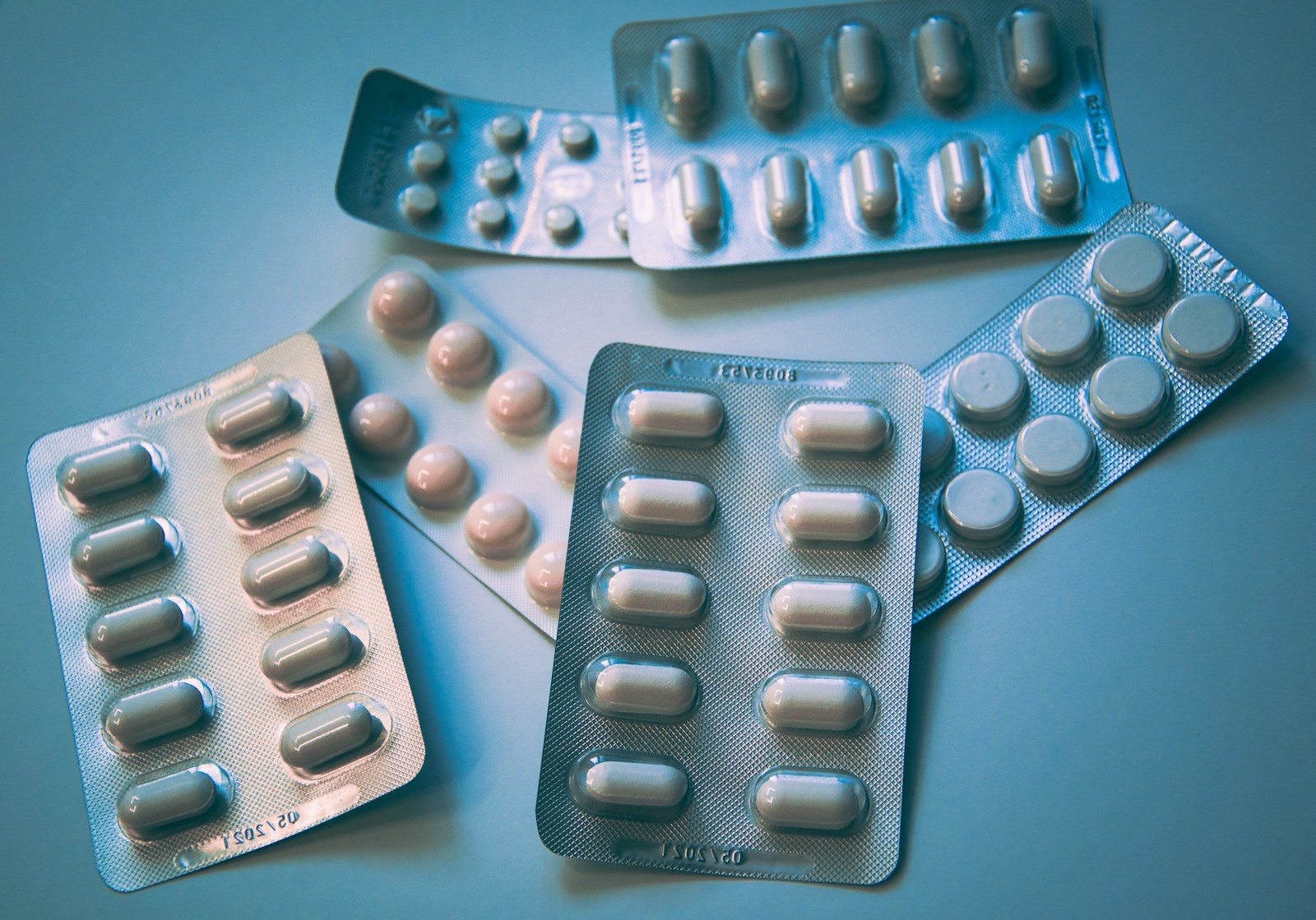
What’s at stake
Presumed consent could generate thousands more donor organs annually and save tens of thousands of lives — or erode trust in the medical system and reduce donation rates.
The opposing positions
Resolved: The United States should adopt a presumed consent policy for organ donation
PRO: Make donation the default
When someone dies, their organs can save up to eight lives. Letting those organs go to waste because of administrative inertia is a policy choice, and it is the wrong one.
- Spain's presumed-consent model, in place since 1979, has produced the world's highest organ donation rates for decades. England and Wales both adopted opt-out systems and reported meaningful increases in actual transplants within a few years. The empirical evidence across multiple countries consistently supports presumed consent as an effective policy lever.
- Most Americans support organ donation when asked but never complete registration. Opt-out systems do not override anyone's wishes; they align the default with the majority preference. Any person who objects for religious, cultural, or personal reasons retains full ability to decline with a single simple registration step, which is exactly as easy as the current opt-in registration.
- The transplant waiting list kills roughly 6,000 Americans per year. That number is not a natural phenomenon; it is a direct consequence of a registration system that relies on people to take a proactive step they repeatedly intend but rarely complete. Presumed consent closes that intention-action gap without coercing anyone.
CON: Consent must be explicit
Bodily autonomy means the state cannot presume to own your body after death. Explicit, informed consent is the only legitimate basis for organ retrieval.
- Presumed consent is not consent; it is the state's assertion of a right to your body in the absence of a formal objection. Many people who support donation in the abstract hold religious or cultural beliefs about bodily integrity that they never register as an opt-out because they do not know the system has changed. A default system that treats uninformed silence as agreement is not ethically defensible.
- Research on implemented opt-out systems shows that family veto rates remain high even when the deceased was technically a presumed donor, because medical teams defer to family authority in practice. The gains in donation rates may be smaller than advocates claim, and the ethical cost of presuming consent is real regardless of whether the policy actually achieves its stated goal.
- Low-income and minority communities have historically faced exploitation in medical contexts. A system that takes their silence as consent gives the state a claim to their bodies without any positive affirmation, and the communities most likely to have religious or cultural objections are also the least likely to have navigated a new opt-out bureaucracy. The people with the fewest resources bear the highest risk under this policy.
Contribute now
Add your perspective
Record a 60-second take or write an argument. Your contribution can stand on its own, and the discussion stays open.
Start here
Contribute now
A 60-second video or a written argument. You do not need an opponent to get started.
Share only material you have permission to make public.
Optional
Exchange responses
Choose whether to be paired. An exchange starts only after both people accept.
Pairing is not available on this page yet. You can still contribute or respond to a public take.
At a set time
Live attendance
Live attendance is separate from your contribution. Check the showcase details for any scheduled session.
Check showcase detailsPRO: Make donation the default
CON: Consent must be explicit
“Spain's presumed-consent model, in place since 1979, has produced the world's highest organ donation rates for decades. England and Wales both adopted opt-out systems and reported meaningful increases in actual transplants within a few years. The empirical evidence across multiple countries consistently supports presumed consent as an effective policy lever.”
“Most Americans support organ donation when asked but never complete registration. Opt-out systems do not override anyone's wishes; they align the default with the majority preference. Any person who objects for religious, cultural, or personal reasons retains full ability to decline with a single simple registration step — exactly as easy as current opt-in registration.”
“Presumed consent is not consent; it is the state's assertion of a right to your body in the absence of formal objection. Many people who support donation in the abstract hold religious or cultural beliefs about bodily integrity that they never register as an opt-out because they don't know the system has changed. Uninformed silence is not agreement.”
“Research on implemented opt-out systems shows family veto rates remain high even when the deceased was technically a presumed donor, because medical teams defer to family authority in practice. The gains in donation rates may be smaller than advocates claim, and the ethical cost of presuming consent is real regardless of whether the policy achieves its stated goal.”
The debate format
Follow each side’s case through questions, rebuttals and closing statements.
- 4 min
Opening Argument
PRO · opening case
PRO · opening case
- 4 min
Cross-Examination
CON questions PRO
CON questions PRO
- 4 min
Opening Argument
CON · opening case
CON · opening case
- 4 min
Cross-Examination
PRO questions CON
PRO questions CON
- 3 min
Rebuttal
PRO
PRO
- 3 min
Rebuttal
CON
CON
- 3 min
Closing Statement
PRO · final case
PRO · final case
- 3 min
Closing Statement
CON · final case
CON · final case
- —
Audience Vote
You pick the winner
You pick the winner
Get debate updates
Leave your email for announcements about this debate.
Debate schedule
Monday, November 9, 2026 · 7:00 PM EST
Get Involved
Open debate runs on the people who show up. Tell us how you want to be part of it.
More Debates
Structured debates on the ideas that matter most. You score who makes the stronger case.

Should the Four-Day Work Week Become Standard?

Should Supreme Court Justices Have Term Limits?

Should Race-Conscious College Admissions Be Restored?
