
AI & the future of work

Will AI eliminate more jobs than it creates?

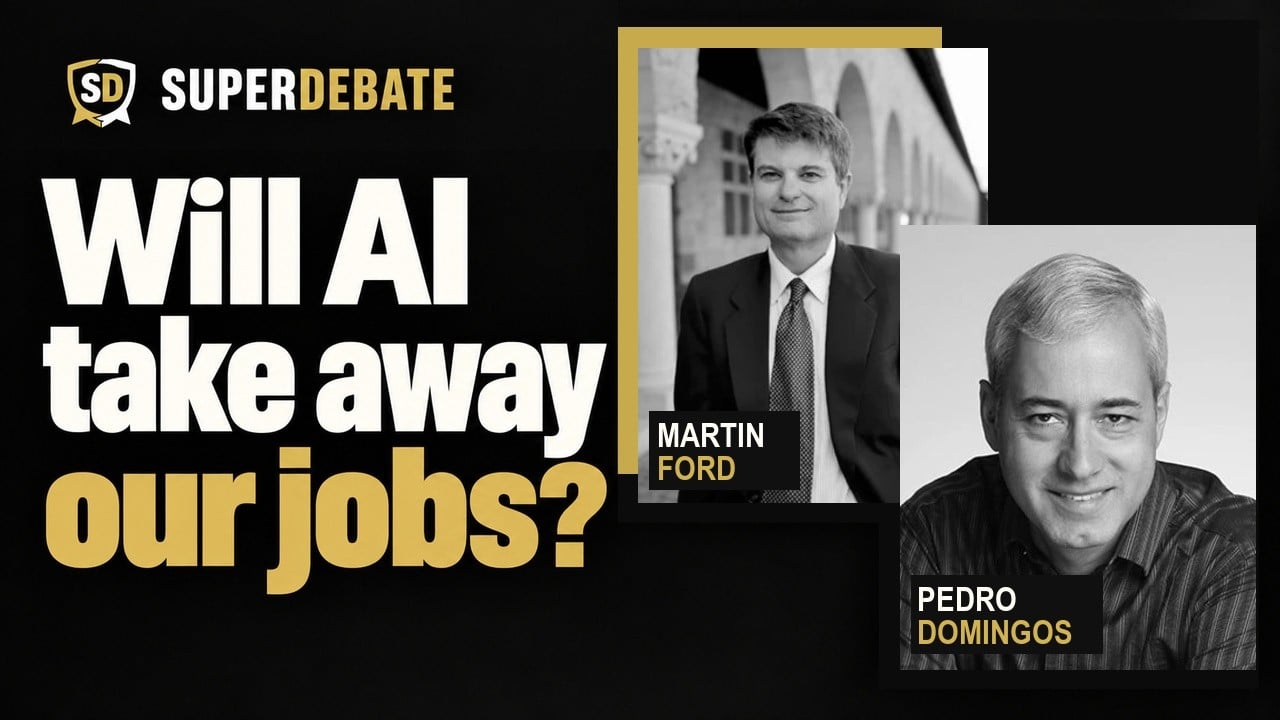
Martin Ford expects broad displacement. Pedro Domingos argues that lower costs, new demand and human adaptability will create more work. Both support continued AI progress.

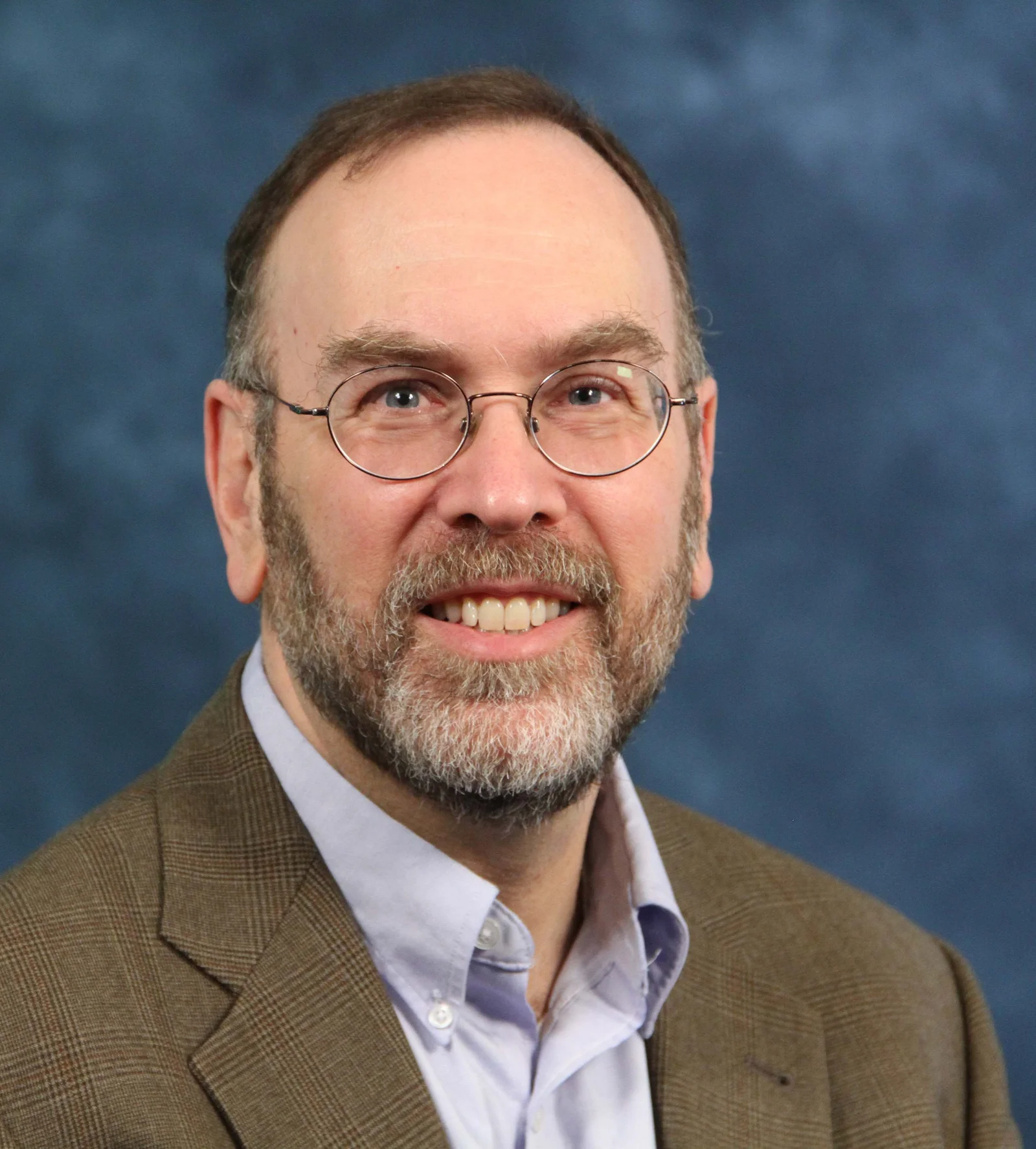
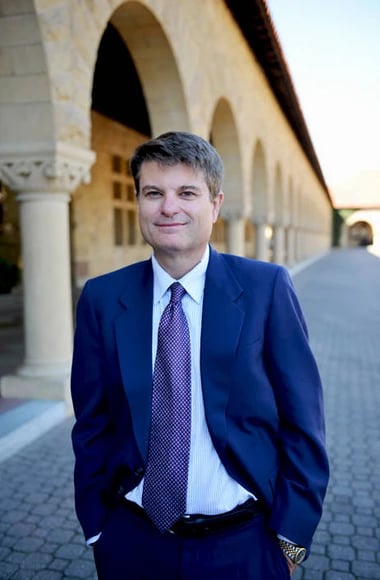
Martin Ford

Martin Ford

Affirmative / PROMore jobs lost than created
Pedro Domingos

Pedro Domingos

Negative / CONNew work can offset job losses

The resolution

Over the next 20 years, AI will eliminate more jobs than it creates.

Martin Ford and Pedro Domingos: AI and jobs debate

Who made the stronger argument?

Score the formal debate on argument, evidence, clarity and persuasion. The discussion after the closing statements is not scored.

Martin Ford

PRO · More jobs lost

—

Not yet scored

Argument · logic & reasoning

Evidence · facts & examples

Clarity · structure & flow

Persuasion · how convincing the speaker was

Pedro Domingos

CON · New work offsets losses

—

Not yet scored

Argument · logic & reasoning

Evidence · facts & examples

Clarity · structure & flow

Persuasion · how convincing the speaker was

0 of 8 ratings selected. Choose a score for every criterion and each speaker.

Community participation

Sign in to continue

Add your perspective

Record a 60-second response or write an argument. You can contribute without waiting for an opponent.

Write an argument

Responses are public. Share only material you have permission to publish.

Affirmative responses

1 video
0

Negative responses

Read the discussion

Is this time different?

Earlier waves of automation created new occupations. The disagreement is whether that pattern holds when machines compete with human cognition.

Martin Ford

For the resolution

AI can break the historical pattern

  1. A different kind of machine

    Martin argues that AI competes with the broad cognitive abilities that have helped people find new work after earlier waves of automation. It need not replace every job to cause substantial displacement.

  2. Today’s limits can change

    He acknowledges that widespread job losses have not yet appeared. His forecast depends on further advances, including AI that can learn on the job, and on businesses adopting those capabilities.

  3. Prepare before disruption

    Martin argues that productivity gains do not guarantee paid work for everyone. He wants policies ready to protect incomes and demand if significant job losses emerge.

Pedro Domingos

Against the resolution

Cheaper intelligence can create more work

  1. Tasks are not whole jobs

    Pedro argues that automating parts of a job can make a worker more productive. Human adaptability, relationships and the value people place on human service leave room for work that AI does not replace.

  2. Lower costs, new demand

    He argues that cheaper goods and services leave people money to spend elsewhere, creating demand for new products, industries and occupations. Existing jobs at risk are easier to see than jobs that do not yet exist.

  3. Capability is not adoption

    Pedro questions whether AI will become sufficiently adaptable within twenty years. He also emphasizes the organizational, economic and social barriers between a technical advance and widespread job replacement.

After the closing statements

The conversation widens to policy preparation, inequality, AI-driven entertainment, social media and collective intelligence. The two also examine where their arguments converge and how uncertain long-range forecasts can be.

Related debate: universal basic income

The speakers

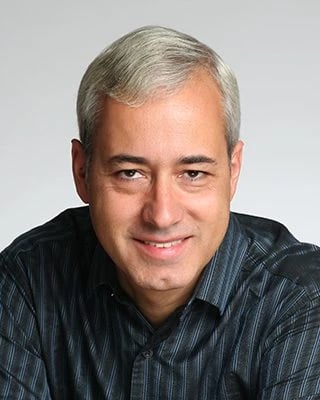
Pedro Domingos

Pedro Domingos

Professor Emeritus, University of Washington

Pedro Domingos researches machine learning, data science and knowledge representation. He is the author of The Master Algorithm and 2040, and a recipient of the SIGKDD Innovation Award and IJCAI John McCarthy Award.

Meet Pedro Domingos

How the debate works

Equal speaking time, direct questions and a chance to respond before the final case.

  1. 5 min per turn

    Opening rounds

    Martin opens; Pedro questions him. Pedro opens; Martin questions him.

  2. 3 min each

    Rebuttals

    Martin responds, then Pedro.

  3. 3 min each

    Closing statements

    Martin closes, then Pedro.

Speeches may finish early. An informal discussion follows the closings and is not part of the scored debate.

Watch the full recording

Watching & voting

Do I need an account?

Watching is free without signing in. A free SuperDebate account is required to submit scores on argument, evidence, clarity and persuasion, or to record a video take. One ballot counts per account; updating replaces your previous scores while voting is open.

What does the audience score?

How well Martin and Pedro argue the exact resolution, covering global employment over twenty years. The informal discussion after their closing statements is not scored.